Chapter 12 – Demons (Nephilim) in the New Testament
Chapter 12: Demons (Nephilim) in the New Testament Chapter 12 uncovers the unmistakable presence of demons — the disembodied spirits of the Nephilim — operating throughout the New Testament under the guise of possession, disease, divination, and idolatry. This chapter identifies every named demon, spirit, and pagan deity mentioned in the Apostolic Writings and reveals their true origin in the fallen Watchers and their hybrid offspring. From Legion among the Gadarenes to Beelzebul (Baal-Zebub), the “prince of demons,” the New Testament repeatedly exposes the continuing activity of the Nephilim spirits, showing how Yahusha exercised absolute authority over them. You will discover the biblical basis for unclean spirits, spirits of infirmity, spirits of divination (python), spirits of fear, deception, fornication, and the spirit of anti-Mashiyach that fuels false doctrine. This chapter also highlights the Greek and Roman gods behind first-century idolatry — Artemis, Zeus, Hermes, Castor and Pollux, Mammon, Baal, Ashtoreth — revealing them as ancient nephilim demons repackaged as “gods.” Their influence culminates in Babylon the Great, the end-times system of global deception.
 Login required to download
  Buy Paperback on Amazon
 Please login to track progress.
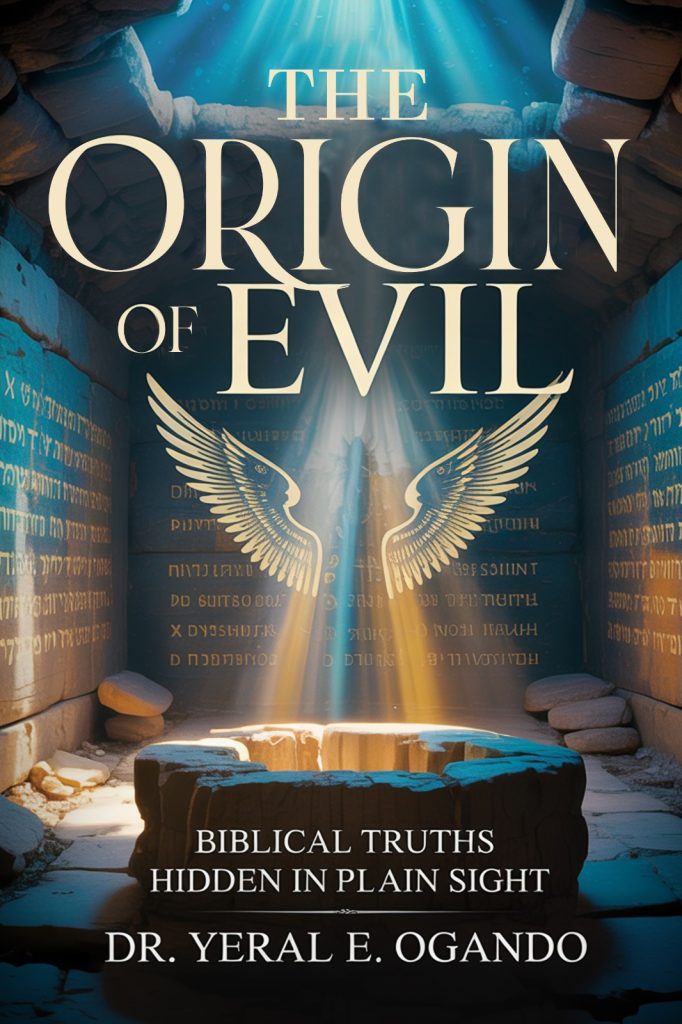
← Back to The Origin of Evil: Biblical Truths Hidden in Plain Sight
(Evidence of the fallen lineage operating under the guise of possession and disease)
12.1 Named Demons/Spirits
Legion
References: Markos (Mark) 5:1–20; Lukas (Luke) 8:26–39; Mattithyahu (Matthew) 8:28–34
Description: A multitude of demons possessing a man among the Gadarenes. They identify themselves: “Legion, for we are many.” They begged Yahusha not to be sent out of the region and entered a herd of swine.
Beelzebul (Beelzebub)
References: Mattithyahu 12:24; Markos 3:22; Lukas 11:15
Description: Called the “prince of demons.” The Pârâsh (Pharisees) accused Yahusha of casting out demons by Beelzebul. Related to Baal-Zebub, the Philistine god of Eqrón (2 Kings 1:2).
Satan / Adversary / the Devil (Mastemah)
References: Mattithyahu 4:1–11; Lukas 4:1–13; Yôchânân (John) 8:44; Apokálypsis (Revelation) 12:9
Description: The adversary and accuser; tempter and prince of the fallen messengers. He tempts Yahusha and opposes the truth of the Kingdom.
12.1.2 Types of Evil Spirits
Unclean Spirits
References: Markos 1:23–27; Lukas 4:33–36
Description: General term for demons that possess or torment people. Yahusha expels them with authority.
Deaf and Mute Spirit
References: Markos 9:17–29
Description: Causes muteness, deafness, and convulsions. Yahusha rebukes it: “You deaf and mute spirit, come out of him.”
Spirit of Infirmity
References: Lukas 13:11–13
Description: A woman bent over for eighteen years is freed by Yahusha from a spirit of infirmity.
Spirit of Divination (Python)
References: Prásso (Acts) 16:16–18
Description: A servant girl possessed by a spirit of divination who brought profit to her masters. Shaul (Paul) cast it out in the Name of Yahusha Ha Mashiyach.
Spirit of Error / Anti-Mashiyah
References: 1 Yôchânân (1 John) 4:1–6
Description: A spirit that denies Yahusha is the Mashiyach and promotes false teachings.
Spirit of Fear
References: 2 Timotheos 1:7
Description: A demonic influence producing fear and cowardice; contrasted with the ruach of power, love, and self-control.
Spirit of Deception and Fornication
References: Efésios (Ephesians) 2:2; 1 Timotheos 4:1–2; Apokálypsis (Revelation) 18:2
Description: The spirit at work in the sons of disobedience, leading to idolatry, immorality, and spiritual corruption.
12.1.3 Collective or Symbolic Spirits
Seven More Wicked Spirits
References: Mattithyahu 12:43–45; Lukas 11:24–26
Description: When an unclean spirit goes out but finds no rest, it returns with seven worse, symbolizing relapse into greater evil.
Apollyon / Abaddon
References: Apokálypsis (Revelation) 9:11
Description: The “Destroyer,” king over the abyssal demons; ruler of the infernal locusts.
12.1.4 General Summary
- Legion — Multitude of demons in one man. References: Markos 5:9 (cf. 5:1–20; Lukas 8:26–39; Mattithyahu 8:28–34).
- Beelzebul (Beelzebub) — Prince of demons. References: Mattithyahu 12:24 (cf. Markos 3:22; Lukas 11:15).
- Satan / Devil — Adversary, tempter, accuser. References: Mattithyahu 4:1–11 (cf. Lukas 4:1–13; Yôchânân 8:44; Apokálypsis 12:9).
- Unclean Spirits — Demonic entities in general. References: Markos 1:23–27 (cf. Lukas 4:33–36).
- Deaf & Mute Spirit — Causes muteness and deafness (with convulsions). References: Markos 9:17–29.
- Spirit of Infirmity — Causes physical deformity or affliction. References: Lukas 13:11–13.
- Spirit of Divination (Python) — Deception and fortune-telling. References: Prásso 16:16–18.
- Spirit of Error / Anti-Mashiyah — Promotes false doctrines; denies Yahusha as Mashiyach. References: 1 Yôchânân 4:1–6.
- Spirit of Fear — Produces fear and anxiety; opposed to the ruach of power, love, and self-control. References: 2 Timotheos 1:7.
- Seven Worse Spirits — Symbolizes relapse into greater evil after temporary deliverance. References: Mattithyahu 12:43–45 (cf. Lukas 11:24–26).
- Apollyon / Abaddon — Destroyer from the abyss; ruler of abyssal demons. References: Apokálypsis 9:11.
12.2 Idols and Pagan Deities in the New Testament
(The pagan heritage that infiltrated the New Covenant)
12.2.1 Named Pagan Deities
Artemis (Diana) — Greek goddess (nephilim demon) of fertility and the moon; worshiped in Ephesus. Her temple was one of the Seven “Wonders” of the ancient world.
References: Prásso 19:23–41.
Zeus (Jupiter) — Chief Olympian god (nephilim demon). After a healing in Lystra, the crowd thought Bar-Nabah (Barnabas) was Zeus.
References: Prásso 14:11–13.
Hermes (Mercury) — Greek messenger god (nephilim demon). The people of Lystra identified Shaul as Hermes because he was the chief speaker.
References: Prásso 14:11–13.
Castor and Pollux (Dioscuri) — Twin sons of Zeus; patrons of sailors (Roman nephilim cult). The Alexandrian ship carrying Shaul bore their figurehead (“the Twins”).
References: Prásso 28:11.
12.2.2 False Gods and Idols Mentioned Indirectly
“Unknown God” — Athenian altar to an unnamed deity; used by Shaul to proclaim Yahuah, Creator of shâmayim and earth.
References: Prásso 17:22–23.
Baal and Ashtoreth — False gods behind Yâshârêl’s apostasies; cited by Shaul referencing the remnant who did not bow to Baal.
References: Rómĕos 11:4 (cf. 1 Melakim 19:18).
Mammon (mammōnas) — Personified deity of wealth; set in opposition to serving Yahuah.
References: Mattithyahu 6:24; Lukas 16:13.
Beelzebul (Beelzebub) — Derived from Baal-Zebub of Eqrón; called “prince of demons” in the NT.
References: Mattithyahu 12:24 (cf. Markos 3:22; Lukas 11:15).
12.2.3 Idolatry and Pagan Cults Condemned
Man-Made Idols — Lifeless works of gold, silver, stone, or wood; condemned throughout Scripture. Revelation warns that humanity “did not repent of worshiping demons and idols.”
References: Prásso 17:29; Rómĕos 1:23; Apokálypsis 9:20.
Images of Men, Birds, and Beasts — Humanity exchanged the esteem due to Yahuah for images of creation. Shaul condemns this corruption of worship.
References: Rómĕos 1:23.
The Beast and Its Image — Symbol of end-time idolatry and worship of worldly power under satanic influence; those who worship it are condemned.
References: Apokálypsis 13:14–15; 14:9–11; 19:20.
Babylon the Great (pretended Queen of Heaven) — Global idolatry system/false religion; the harlot who embodies spiritual fornication and the resurgence of ancient goddess cults (Ishtar, Astarte, and others) in rebellion against Yahuah.
References: Apokálypsis 17–18.
12.2.4 Summary
- Artemis (Diana) — Greek; goddess (nephilim demon) of fertility and the moon, worshiped in Ephesus. References: Prásso 19:23–41.
- Zeus (Jupiter) — Greek; chief Olympian god (nephilim demon). References: Prásso 14:11–13.
- Hermes (Mercury) — Greek; messenger of the gods (nephilim). References: Prásso 14:11–13.
- Castor & Pollux (Dioscuri) — Greek/Roman; twin sons of Zeus, sailors’ patrons. References: Prásso 28:11.
- “Unknown God” — Greek; Athenian altar to an unnamed deity. References: Prásso 17:22–23.
- Baal / Ashtoreth — Canaanite; false gods of Yâshârêl’s apostasy. References: Rómĕos 11:4.
- Mammon (mammōnas) — Aramaic; personified deity of wealth. References: Mattithyahu 6:24; Lukas 16:13.
- Beelzebul (Beelzebub) — Philistine; “lord of the flies,” prince of demons. References: Mattithyahu 12:24.
- Gold & Silver Idols — Pagan nations; lifeless objects of worship. References: Prásso 17:29; Apokálypsis 9:20.
- Image of the Beast — Symbolic/Prophetic; idolatry of worldly power. References: Apokálypsis 13:14–15; 14:9–11; 19:20.
- Babylon the Great — Symbolic; world system of false religion and spiritual corruption. References: Apokálypsis 17–18.
Please register or login to track your reading progress.
👉 Register / Login
Comments